Joint Support Supplements South Africa

Support joint health, mobility and training longevity

Joint health is rarely a priority until it becomes a problem. For many active people, discomfort, stiffness, or reduced mobility doesn’t come from one injury, but from years of training volume, repetitive movement, and physical stress.

Whether you lift regularly, play sport, or train multiple times a week, your joints absorb a significant amount of load. Joint support supplements exist to help manage that stress, supporting comfort, movement quality, and long-term training consistency.

At SSA Supplements, we’ve been formulating performance nutrition in South Africa for over 25 years. Our approach to joint support follows the same philosophy as the rest of our range: proven ingredients, practical dosing, and clear purpose, designed for athletes who want to keep training well.

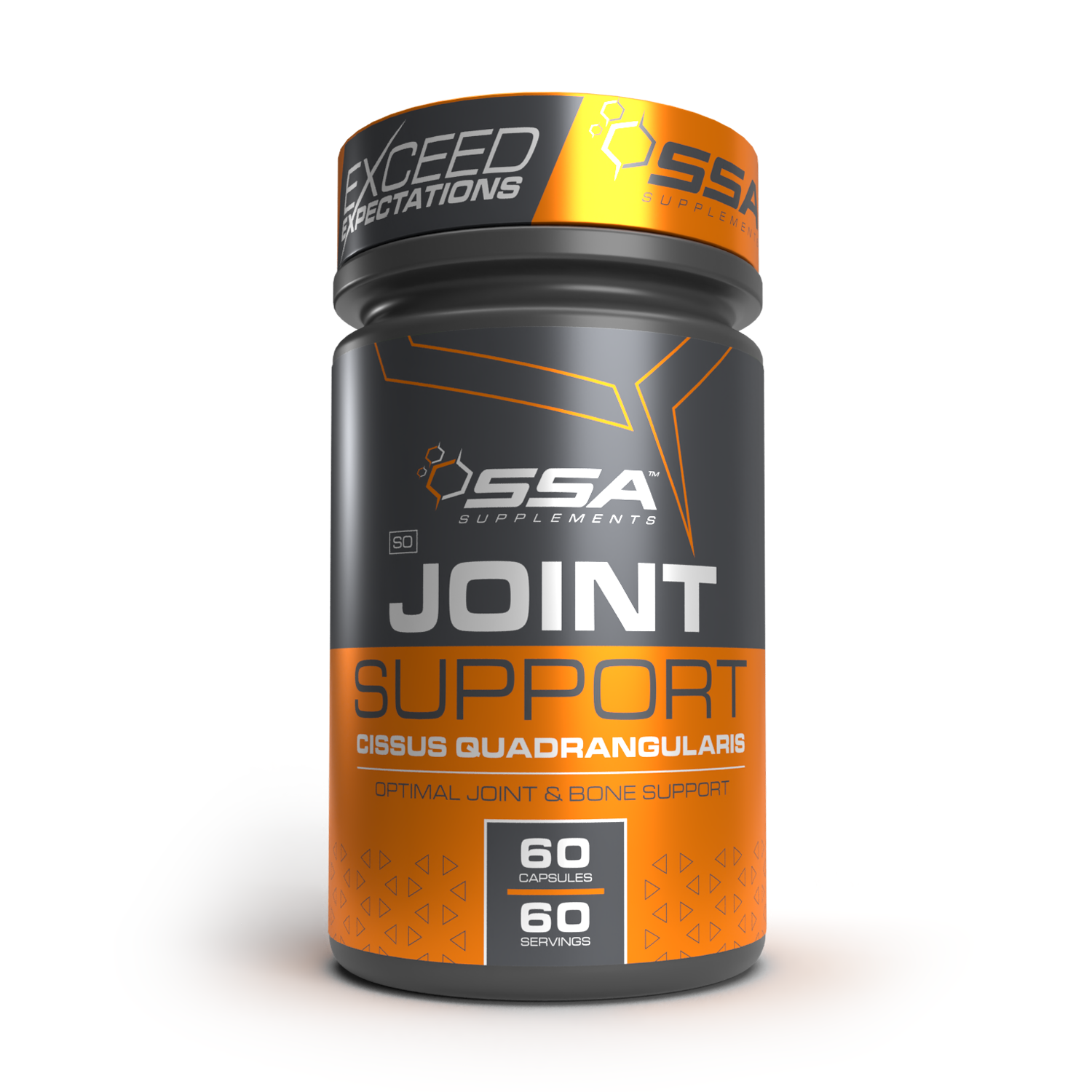
A container of SSA Joint Support supplement, with branding and product information displayed on the label.

SSA Joint Support

R 189.00

Shop now
A container of SSA Superior Collagen Supreme, which is unflavored and weighs 345g, designed to support skin, hair, nail health, and joint mobility.

SSA Superior Collagen

R 359.00

Shop now

What Are Joint Support Supplements?

Who Are They For?

Joint support supplements are designed to support the structures that allow movement, including cartilage, connective tissue, and surrounding joints. They are not painkillers and they are not replacements for proper training technique, recovery, or load management. Instead, they play a supportive role, particularly for people who place regular stress on their joints.

These supplements are commonly used by:

  • Gym-goers who lift frequently or train with heavier loads
  • Team-sport athletes exposed to impact and repetitive movement
  • Active individuals returning to training after time off
  • Anyone experiencing stiffness or reduced mobility from regular exercise

Joint supplements are especially relevant as training age increases. While younger athletes may tolerate higher volumes more easily, long-term consistency often depends on how well joints are supported over time.

Why Joint Health Matters for Performance and Longevity

Strong muscles mean little if joint discomfort limits how you train. Reduced range of motion, stiffness, or persistent joint irritation often leads to lower training quality, modified exercises, or missed sessions altogether.

Common contributors to joint stress include:

  • High training frequency with limited recovery
  • Heavy or repetitive loading patterns
  • Impact from running or contact sports
  • Inadequate mobility or warm-up routines

Joint support supplements are most effective when used as part of a broader approach that includes sensible programming, recovery, and consistent nutrition. The goal is not to push through discomfort, but to support movement quality so training remains sustainable.

Why Choose SSA for Joint Support Supplements?

  • Over 25 years of performance-nutrition experience in South Africa
  • Formulations designed for real training demands, not marketing trends
  • Locally manufactured for better value and quality control
  • Trusted by gym-goers, strength athletes, and team-sport players nationwide

SSA doesn’t position joint support as a miracle solution. We position it as part of a smarter, more sustainable approach to training.

A container of SSA Joint Support supplement, with branding and product information displayed on the label.

SSA’s Approach to Joint Support Supplements

SSA joint support formulations are built with one priority in mind: helping active people train comfortably and consistently over the long term. Rather than relying on trending ingredients or exaggerated promises, the focus remains on well-researched compounds used at practical doses that fit into everyday training routines. This approach reflects decades of working with South African athletes who value reliability, affordability, and results that compound over time rather than short-lived novelty.

Joint Support for Gym-Goers and Strength Athletes

Strength training places progressive and repeated stress on joints, especially as volume and intensity increase. While progressive overload drives results, joint health often becomes the limiting factor before muscular strength does. Joint support supplements are commonly used by gym-goers who train several times per week to help maintain comfort, preserve mobility, and support consistency across training cycles, allowing progression without unnecessary interruptions.

Joint Support for Sport and High-Frequency Training

Team-sport athletes and high-frequency trainers experience joint stress in a different way, combining gym work with sprinting, jumping, cutting, and impact. Over time, this cumulative load can affect movement quality if not managed properly. In these environments, joint support supplements are typically used alongside structured training programmes, mobility work, and recovery routines, with the aim of maintaining resilience and performance throughout long seasons or demanding training blocks.

Joint Support Supplements vs General Recovery Products

General recovery supplements are often designed to support muscle repair, hydration, or energy replenishment. While these are important, they do not directly address joint structures or connective tissue. Joint support supplements serve a more specific role, complementing strength and recovery nutrition rather than replacing it. For many athletes, joint support becomes part of a foundational supplement setup alongside protein, creatine, and hydration, supporting training quality rather than short-term performance boosts.

Using Joint Support Supplements Effectively

Joint support supplements deliver their greatest benefit when used consistently over time. Unlike stimulants or acute performance products, their effects are gradual and cumulative. Daily use, combined with sensible warm-ups, mobility work, and balanced nutrition, supports long-term joint health and training longevity. Progress is measured over weeks and months, not sessions, making patience and consistency far more important than immediate feedback.